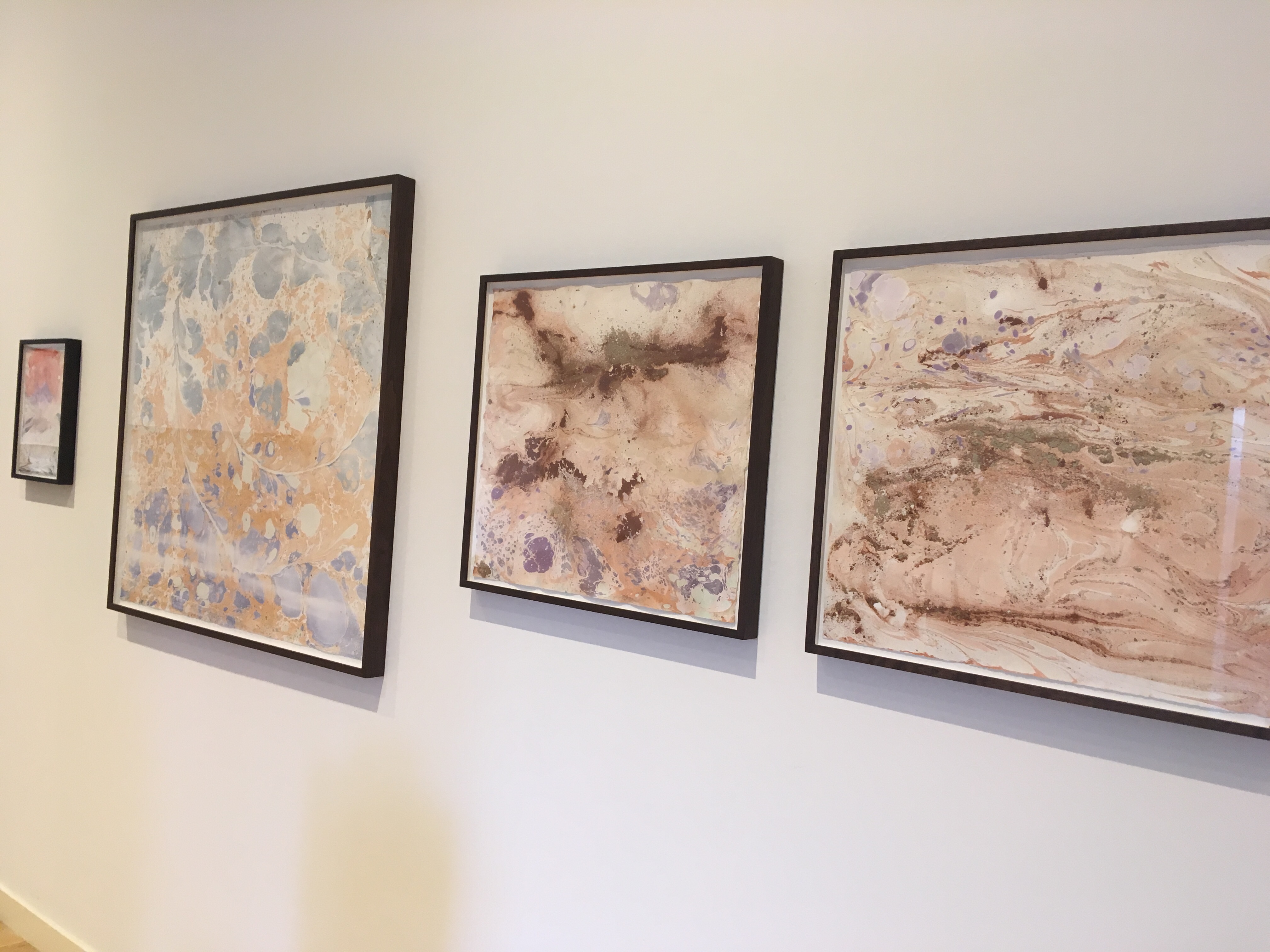
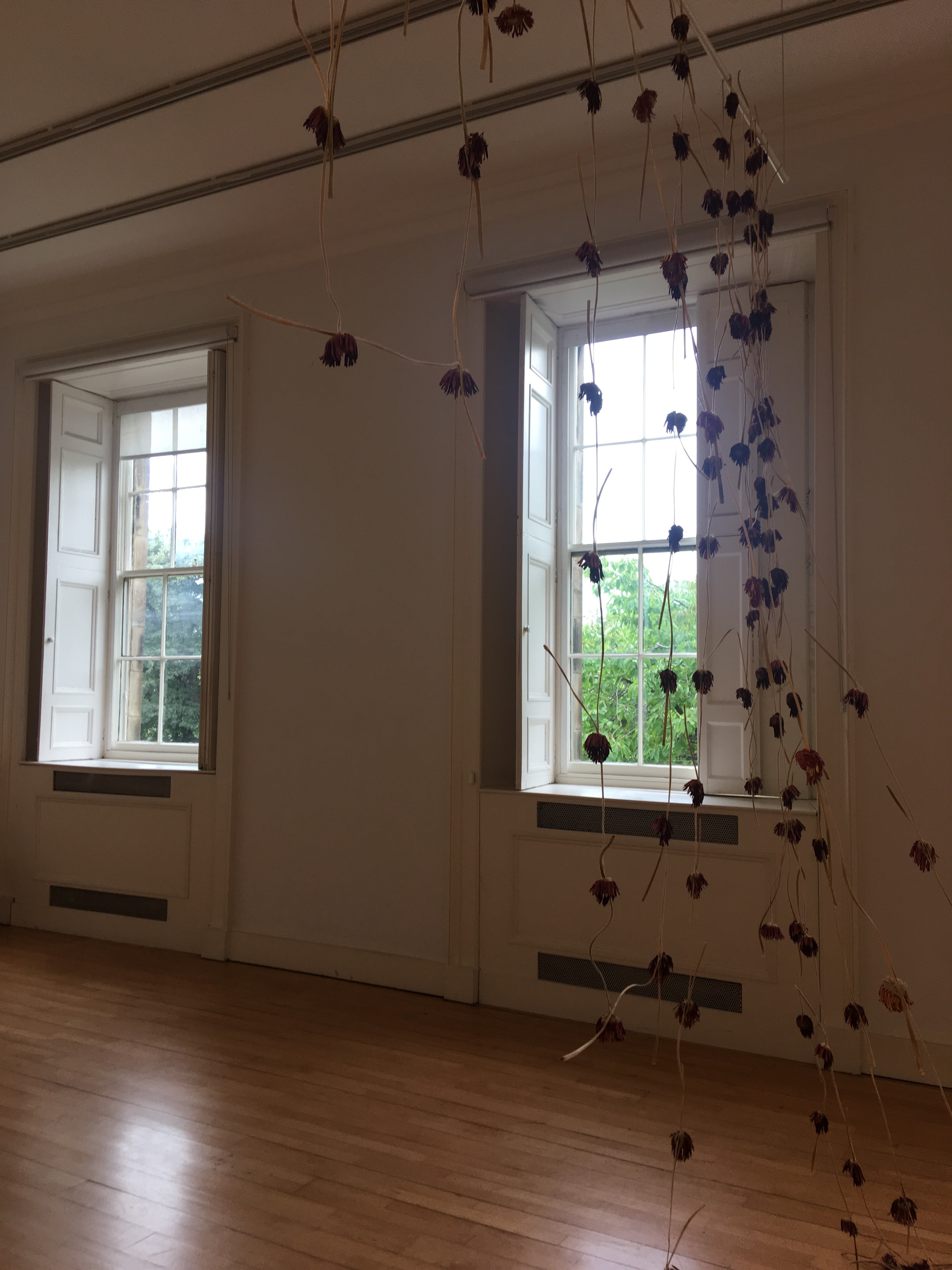
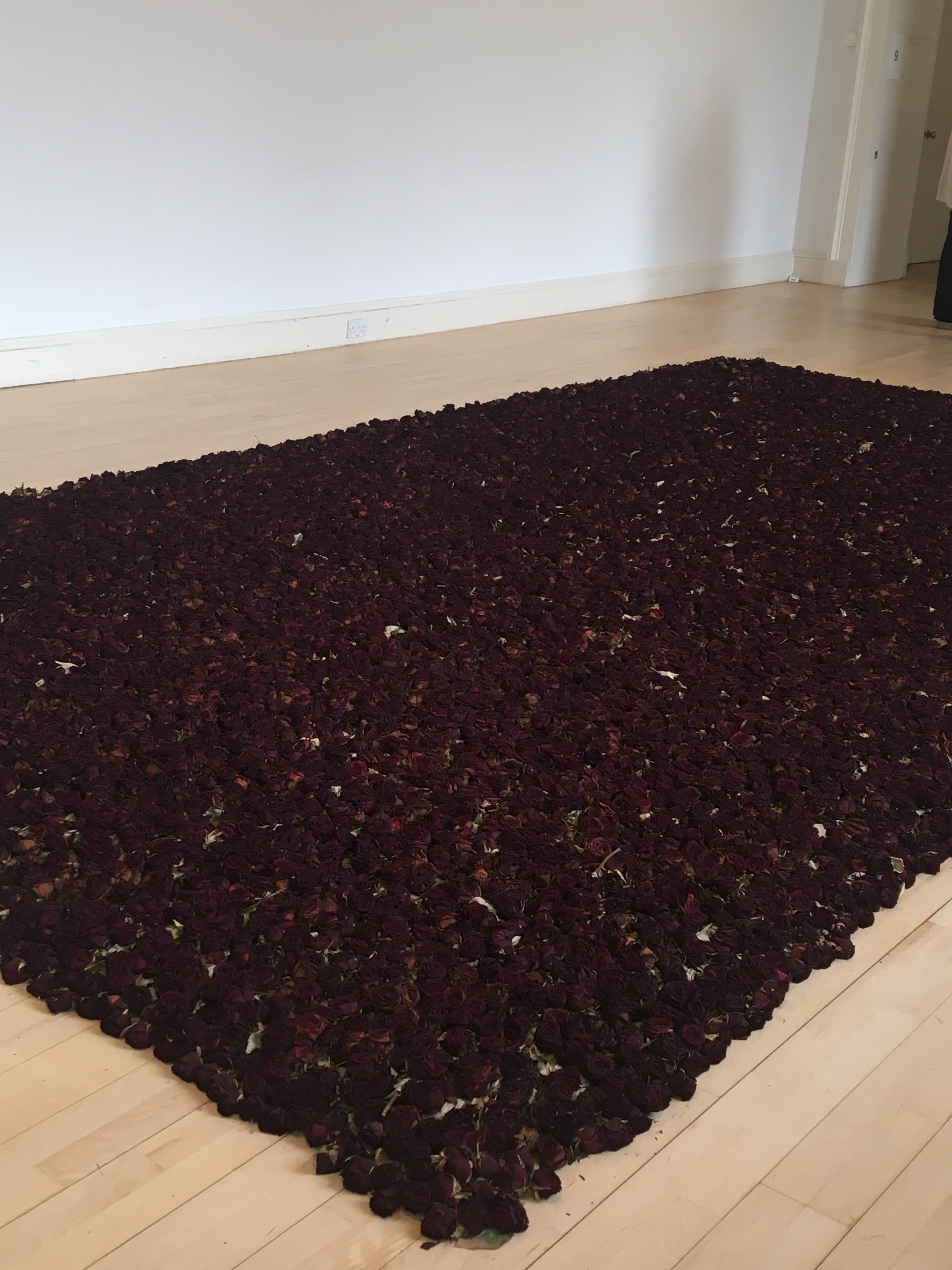
Last Wednesday we visited the Modern Art 1 and 2 galleries. First, we were welcomed by the work of British born artist Anya Gallaccio. Born in 1963, Gallaccio studied at Kingston University and is now known for her minimalist installations which often use organic materials. We were lucky enough to see this in her most recent exhibition in Edinburgh, part of the NOW: Modern Art Gallery 1.
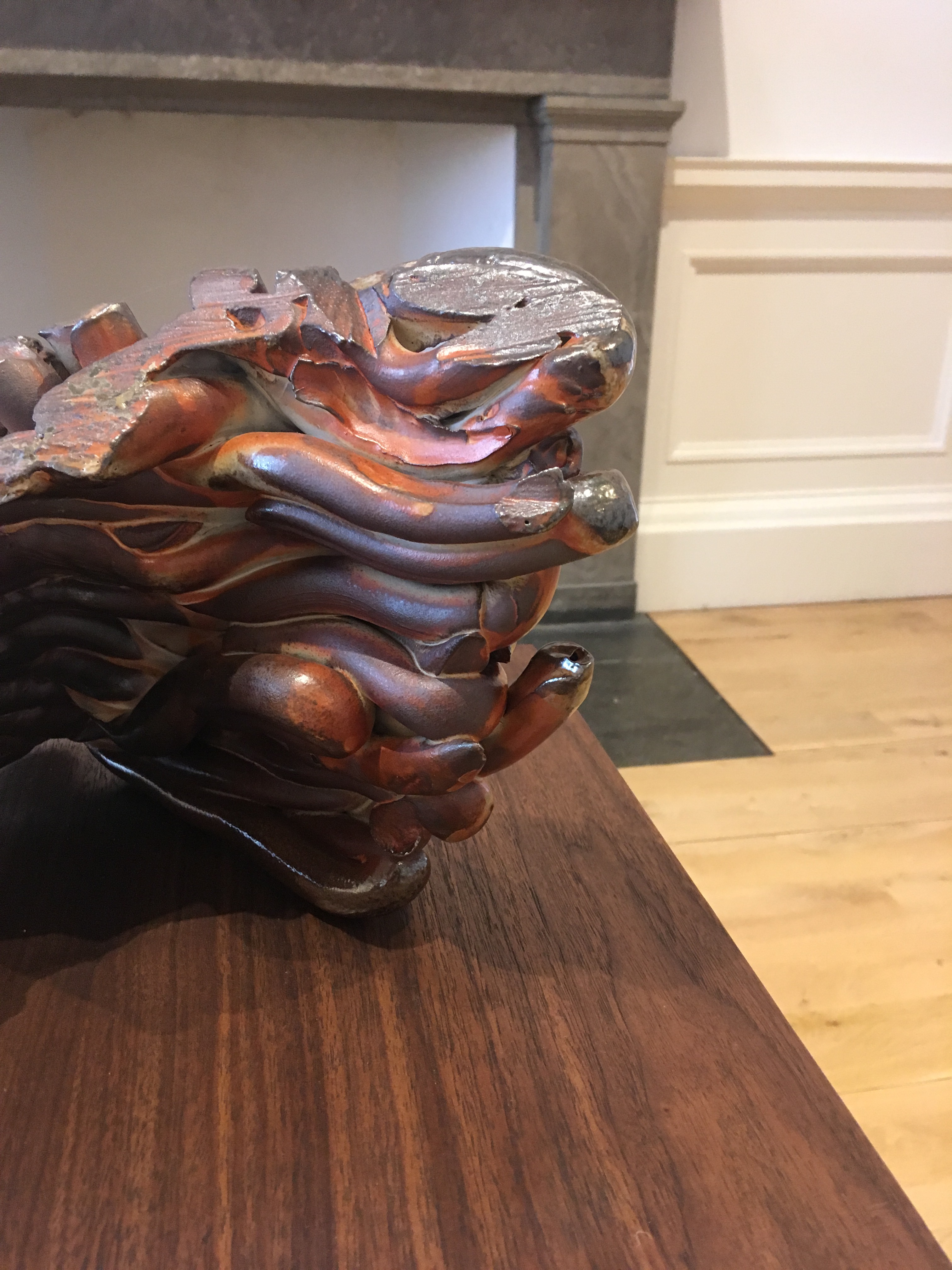
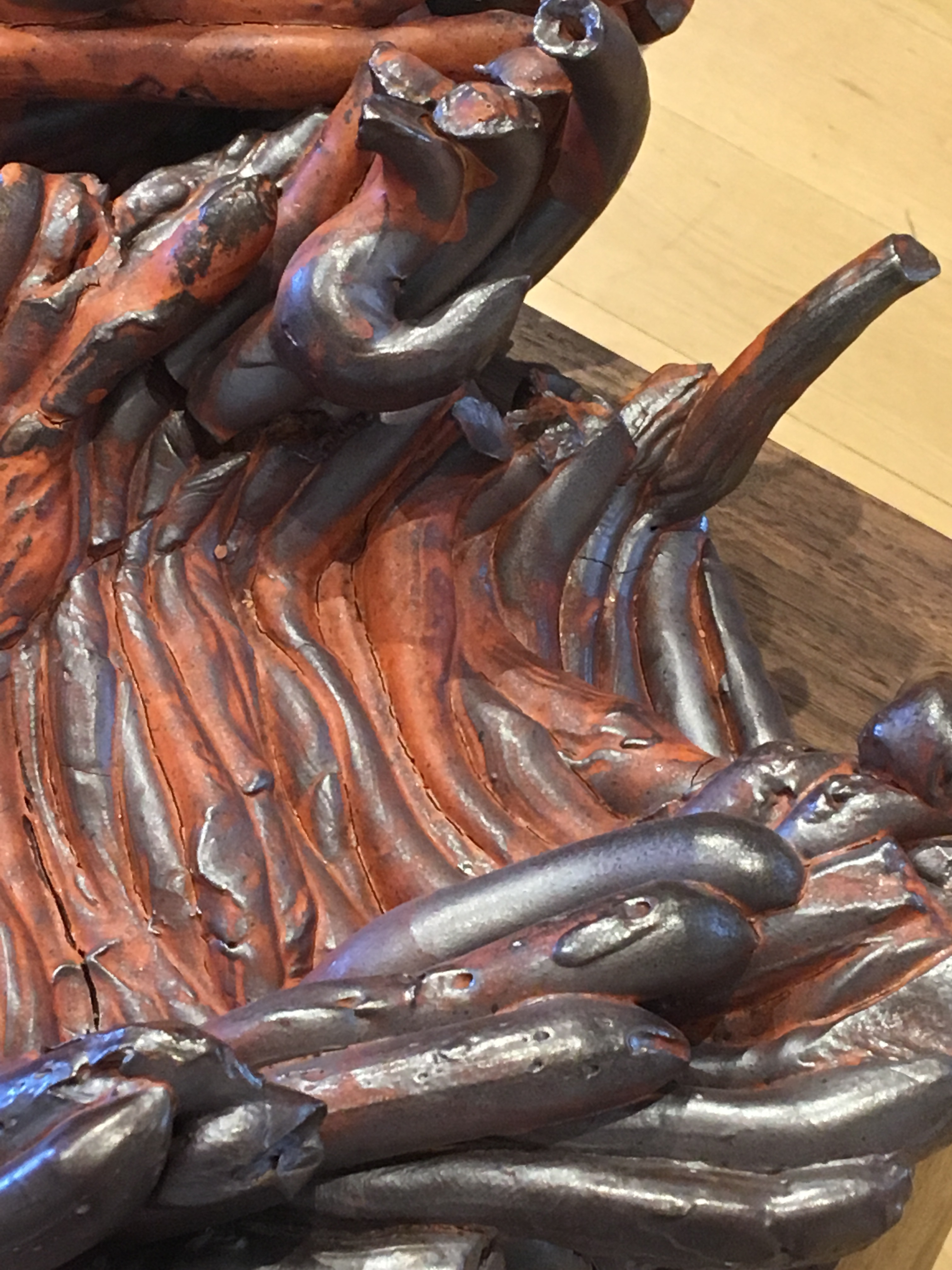
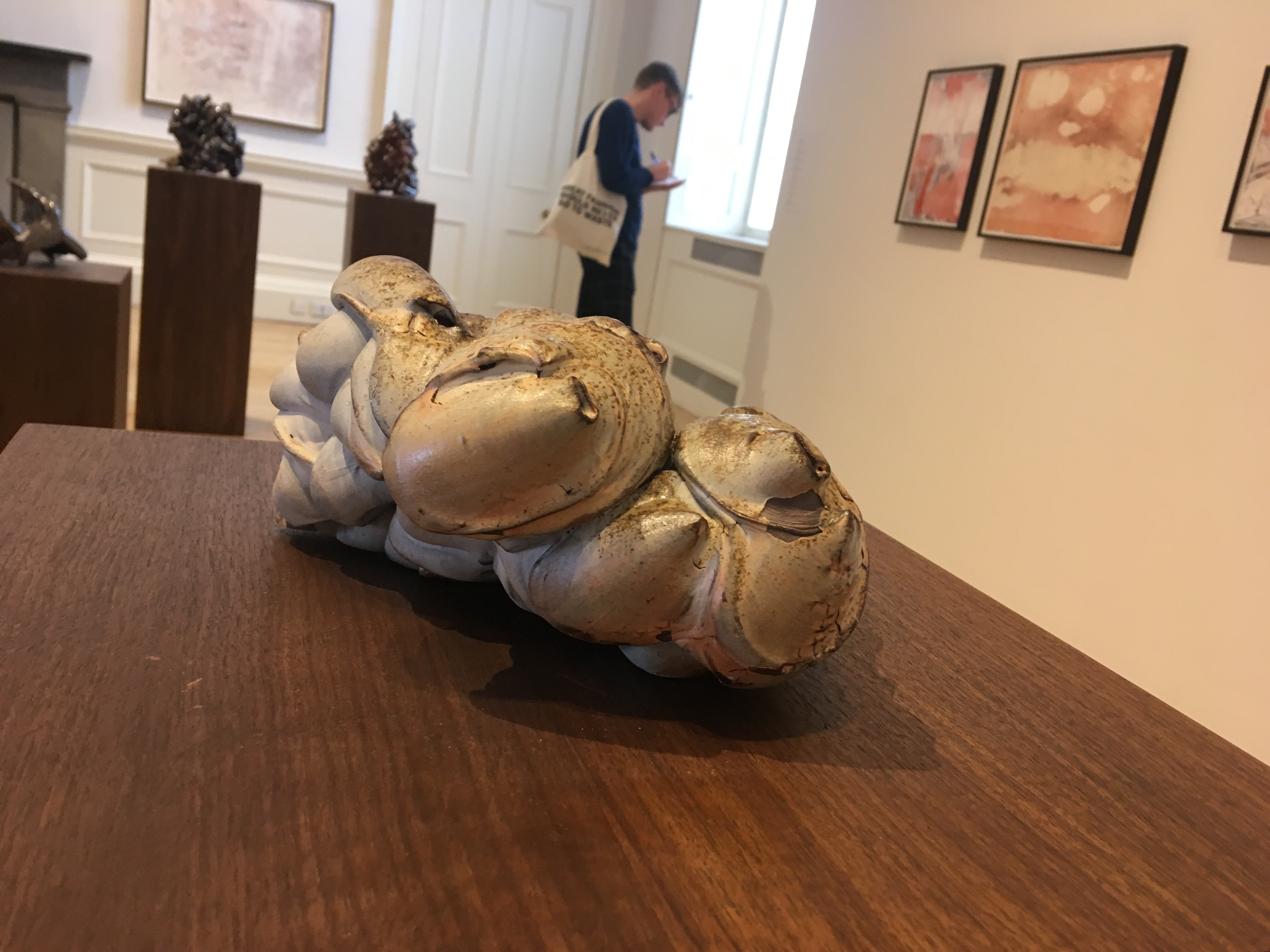
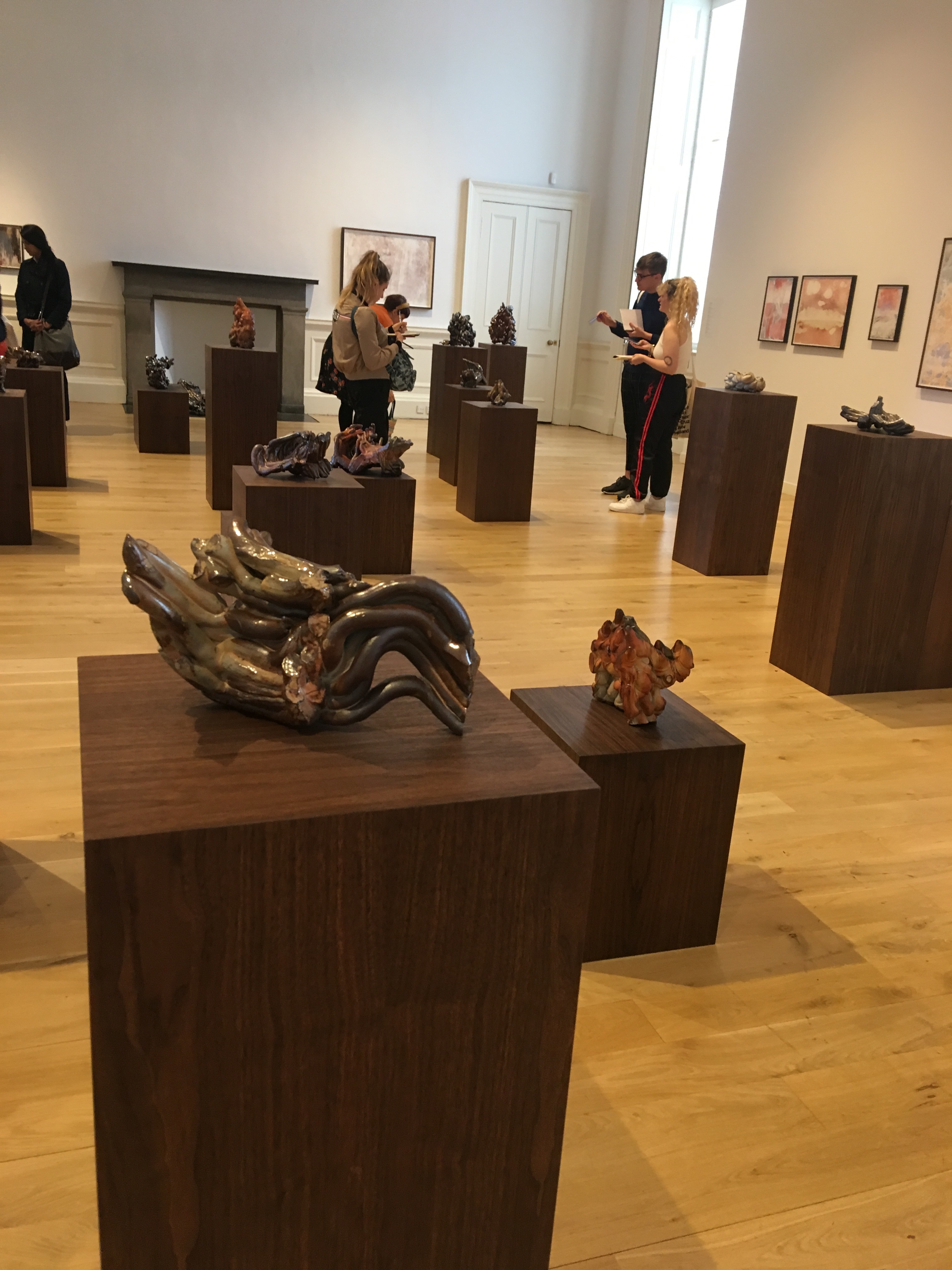
The pictures above show just a few of the pieces in the first room as you walk in to the building. This installation consisted of 27 different ceramic designs. They were created from the remains of a previous project by Gallaccio called ‘Beautiful Minds’ (2015). The pieces are made from clay, printed by a 3D printer. What’s unique about this installation is that these pieces were not what the artists originally intended to create, but failed and collapsed versions. After they came out in these layered shapes, they were fired in a kiln and glazed to keep its unplanned shape. The pieces resemble a variety of things to me – from sea creatures, to fire, to fists, to dragons. The layered, shiny texture looks very angry and can change appearance depending on which direction you view it from.
Gallery Two – Collage.
Next we visited the second modern gallery which held an exhibition on Collage. Here we saw a large range of collage pieces made by a variety of different artists from different time periods. It was exciting to see how the themes, media, and subject matter changed throughout time, and how this technique has been used by some of arts most famous names.
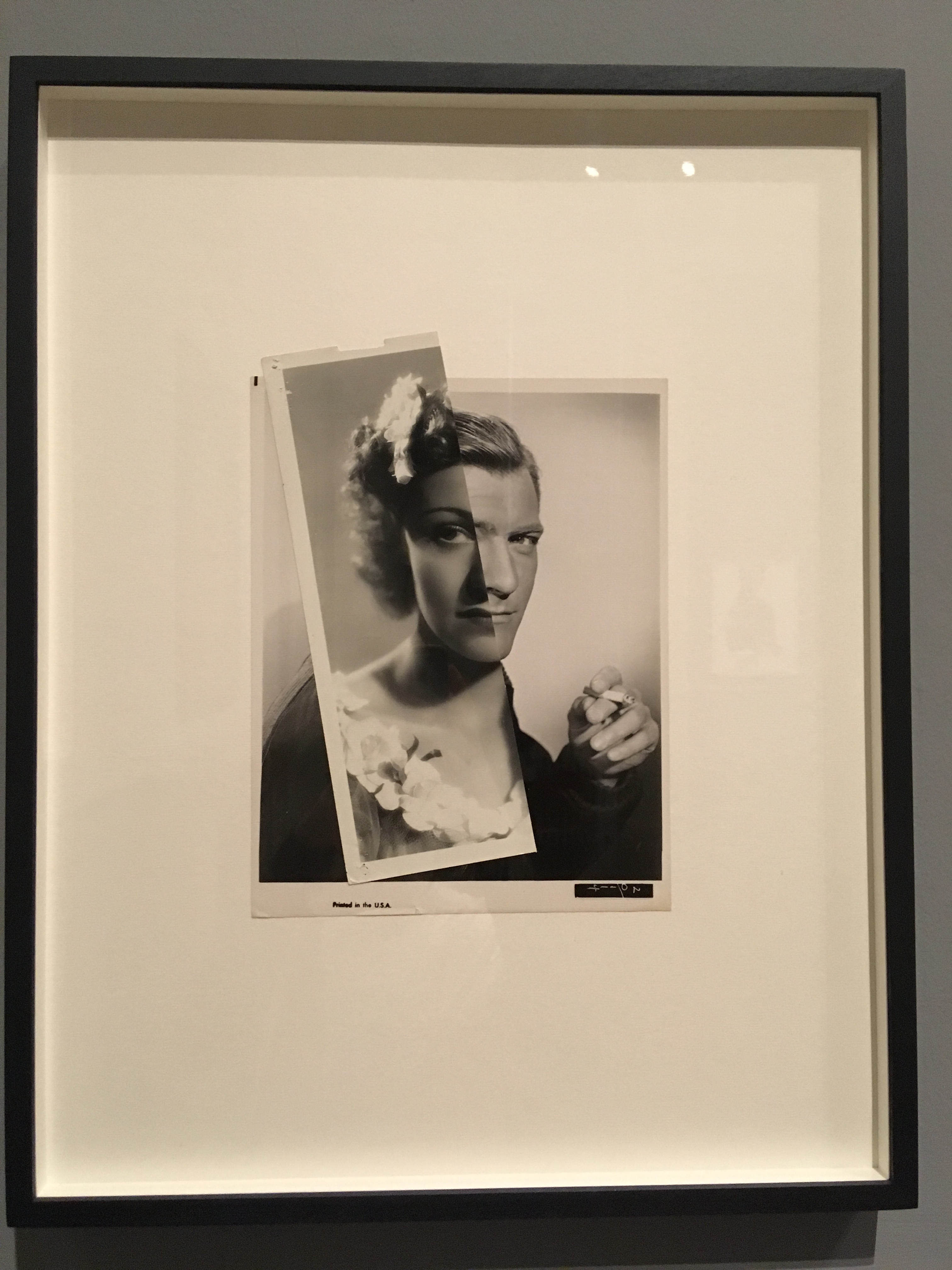
I chose to write about this particular collage as the subject matter stood out to me. We see two halves of photographs put together to make one face. What makes the subject matter interesting is down to time. It stands out to me that Stezaker uses half male/half female in his work, which could link to the theme of equality, sexism, or feminism. The models expression is also striking as they are both looking straight at the viewer with little emotion.
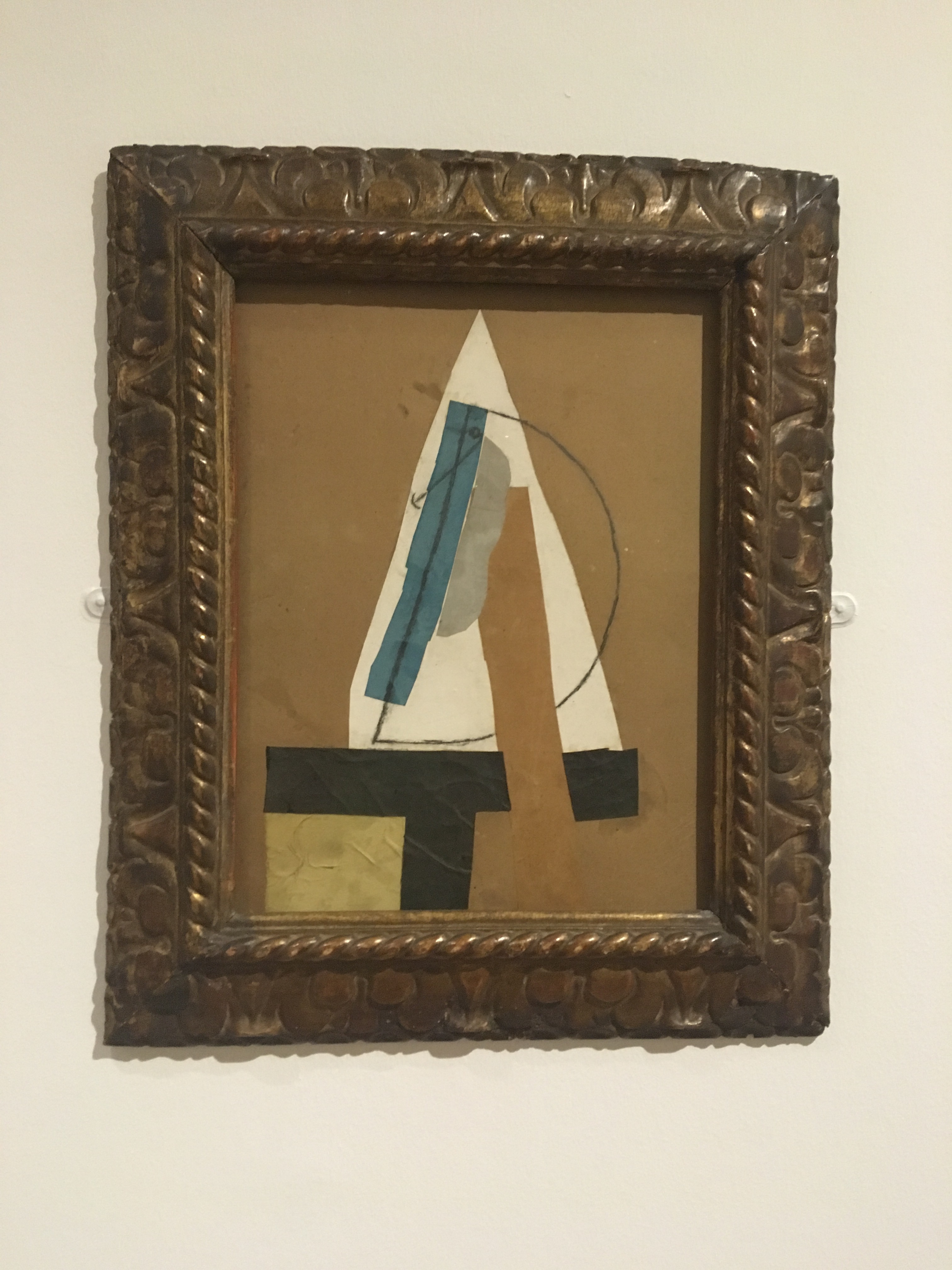
As I have previously researched mark making in art, this piece by Picasso stood out to me personally as I have written about similar collages as part of this time period in his life. Seeing it in person felt very special.
This is the beginning of what Picasso is most known for in his portraiture, and is inspiring to see the first steps to his journey as an artist. This piece was created in 1913 and is a simplified design. Titled ‘Tête’ (Head), we are made to look closer at what these shapes are actually depicting.
I personally love how every cut of paper isn’t stuck down perfectly, and the experimental atmosphere it has to it.
 ninamcmullanHND